



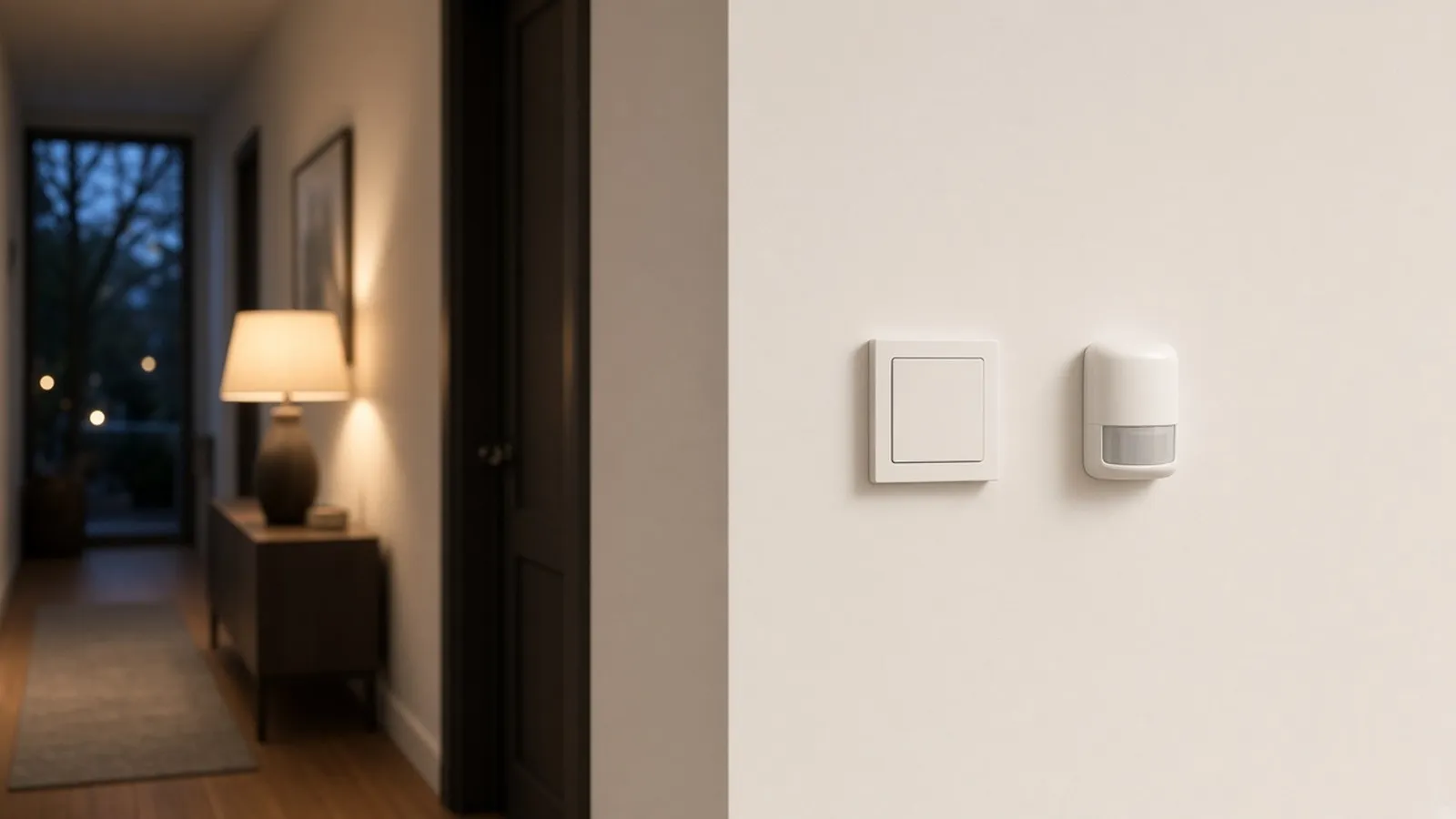
Short answer: Zigbee™ and Z-Wave® are both low-power mesh protocols for smart home devices, and both usually need a hub. Zigbee runs on 2.4 GHz and Sub-GHz bands and is governed by the Connectivity Standards Alliance. Z-Wave runs on Sub-GHz frequencies, is governed by Z-Wave Alliance, Inc., and adds a long-range star option. Everything below reflects official pages as of October 16, 2026.
Comparison table
| Zigbee | Z-Wave | |
|---|---|---|
| Governing body | Connectivity Standards Alliance | Z-Wave Alliance, Inc. |
| Bands | 2.4 GHz and Sub-GHz (Zigbee 4.0 adds European 800 MHz and North American 900 MHz PHY) | Sub-GHz, with frequencies that vary by region |
| Topology | Self-healing mesh | Mesh; Z-Wave Long Range uses a star topology |
| Long-range variant | Suzi, the Alliance's brand for Sub-GHz mesh | Z-Wave Long Range |
| Phone onboarding | Zigbee Direct over Bluetooth LE | SmartStart via QR code |
| Certification | The Alliance runs four Zigbee certification programs | Z-Wave certification from Z-Wave Alliance (the Alliance refers to Z-Wave certified devices) |
| Hub | Usually a Zigbee hub or gateway; Zigbee Direct allows BLE onboarding and control without a hub | A Z-Wave gateway or hub at the center of the network |
Table based on: the Alliance's Zigbee page, the Alliance's Zigbee 4.0 announcement and Z-Wave Alliance's Z-Wave explainer, all as of Oct 16, 2026.
Zigbee in brief
Q: What is Zigbee?
Zigbee is a full-stack, low-power wireless standard from the Connectivity Standards Alliance that combines a self-healing mesh network with a shared application language, so certified devices from different brands can work together. It supports 2.4 GHz and Sub-GHz bands, and Zigbee Direct lets people interact with a Zigbee network from a Bluetooth phone.
That's how the Alliance describes it (as of Oct 16, 2026), adding AES-128 message encryption and full backward compatibility with over a billion deployed Zigbee devices. The Zigbee 4.0 announcement from November 18, 2025 adds batch commissioning, onboarding and control over Bluetooth LE without a hub through Zigbee Direct, and Suzi, a Sub-GHz mesh brand; the announcement said its certification program was planned to open in the first half of 2026 (as of Oct 16, 2026).
Z-Wave in brief
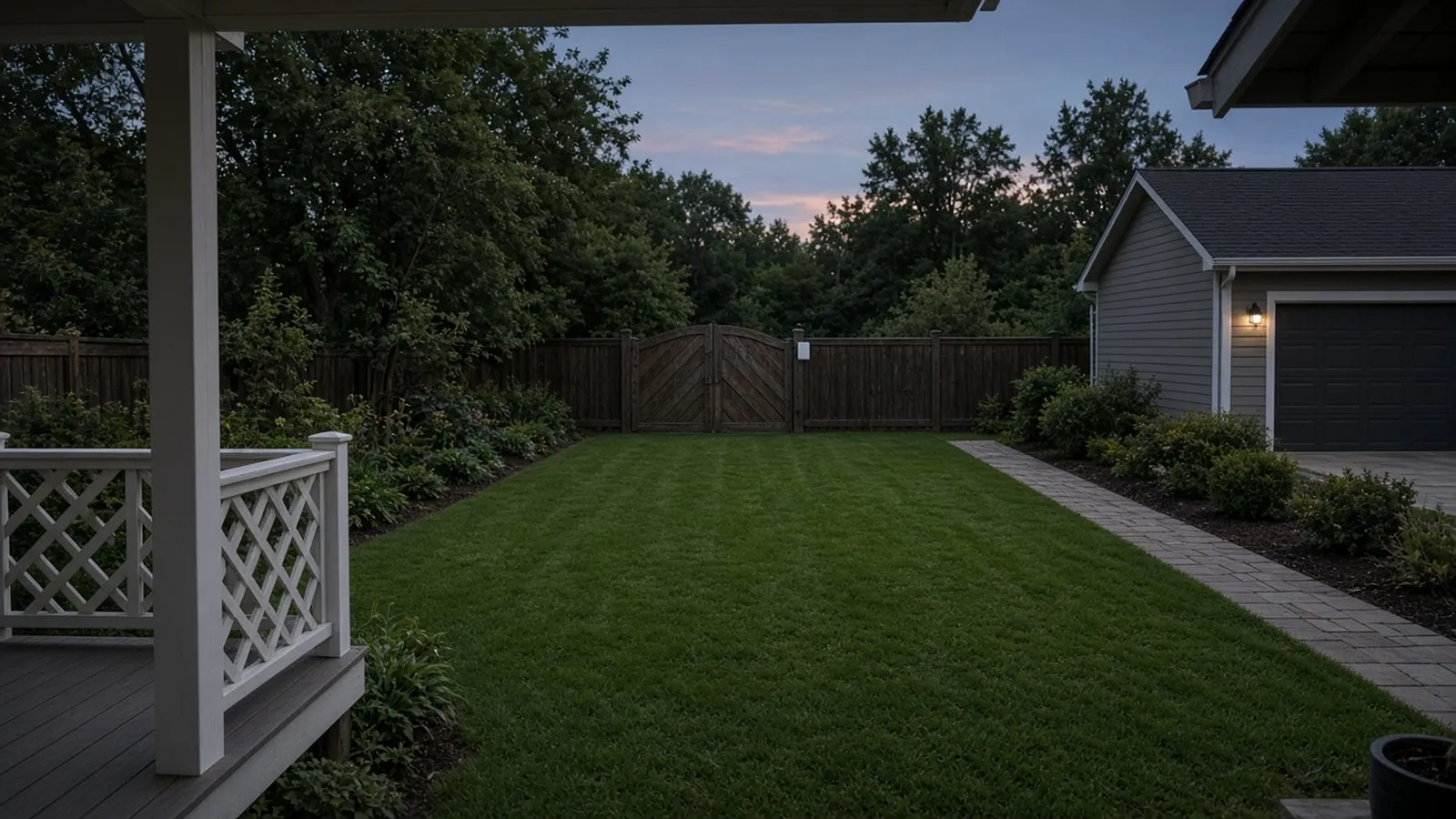
Z-Wave Alliance explains that every node in a Z-Wave network can act as a repeater, which lets the mesh work around obstacles and dead spots in even large homes (Z-Wave Alliance, as of Oct 16, 2026).
Q: What is Z-Wave Long Range?
Z-Wave Long Range is an extension of the Z-Wave protocol from Z-Wave Alliance that adds a star topology, with the hub talking directly to each device, much larger networks and higher output power. It can coexist with regular Z-Wave mesh devices on the same network, but both the hub and the device must support Long Range.
In its February 29, 2024 announcement of the Long Range specification for Europe, Z-Wave Alliance says Long Range supports up to 4,000 nodes on a single network, compared with 232 for Z-Wave, and offers end devices up to 10 years of battery life on a single coin cell by adjusting the output power of every transmission. Its December 17, 2020 announcement gives a maximum output power of 30 dBm and says Long Range is backward compatible with Z-Wave certified devices. The Alliance's Z-Wave explainer adds that Long Range uses direct-range inclusion only and supports only the S2 Authenticated and S2 Access Control security classes (all as of Oct 16, 2026). Treat the battery figure as a best case: your battery life depends on how often your device talks.
Zigbee vs Z-Wave range, power and battery life
Neither body publishes a head-to-head range test, and we didn't find one from an official source, so there's no "winner" number here. What the official pages do say: Zigbee is optimized for low power consumption, and Zigbee 4.0's Sub-GHz PHY support is described as increasing signal strength, range and coverage (the Alliance). Z-Wave Alliance's Long Range figures are in the section above. Both as of Oct 16, 2026.
Q: Which has better range, Zigbee or Z-Wave?
There is no official head-to-head answer, because range depends on the radio, antenna, output power, walls and how many devices relay in the mesh. Z-Wave relies on mesh repeaters and offers a star option, Long Range, for longer reach, while the Alliance behind Zigbee points to Sub-GHz support for added range.
In practice, test your actual product in a real house. Brochures don't have drywall.
Zigbee vs Z-Wave vs Matter: where Matter fits
Matter™ is a separate standard, also from the Connectivity Standards Alliance, built on Internet Protocol; the Alliance describes the first Matter release as running on Wi-Fi and Thread network layers (the Alliance, as of Oct 16, 2026).
Q: Should I choose Zigbee, Z-Wave or Matter?
Choose based on the ecosystems your customers already use and the hub they already own. Zigbee and Z-Wave both suit low-power devices that join a hub, and both have their own certification programs. Matter suits devices that should work with devices from multiple brands over Wi-Fi or Thread, and it is a separate certification.
They're not mutually exclusive. The Alliance still publishes and updates Zigbee, most recently Zigbee 4.0 in November 2025, alongside Matter (the Alliance, as of Oct 16, 2026).
Hub vs app setup: onboarding implications
Both protocols traditionally put a hub between your device and the customer's phone, and that shapes setup. Z-Wave's SmartStart uses a QR code for inclusion (Z-Wave Alliance), and Zigbee Direct lets users onboard and control devices over Bluetooth LE without a hub (the Alliance), both as of Oct 16, 2026.
The practical question for a product team is whose app the customer opens first: the hub's or yours.
Q: Does Z-Wave need a hub?
Yes. A Z-Wave network is built around a gateway or hub, and Z-Wave Alliance describes Z-Wave Long Range as a star network with the gateway or hub at the center, connecting directly to each device. Regular Z-Wave devices form a mesh around that same hub, so customers need a Z-Wave hub before your device can join.
That's from Z-Wave Alliance's Long Range specification announcement of February 29, 2024 and its Z-Wave explainer, both as of Oct 16, 2026. Zigbee is the one with a hubless option, through Zigbee Direct over Bluetooth LE.
What this means for your post-purchase app
When a device joins through someone else's hub, the hub's app owns the first setup moment, not yours. Your own app then has to earn its place with registration, support and updates. QR-code and Bluetooth onboarding options change where that first moment happens. Copilot.cx works on that part of the experience with the Setup Engine. We've written more about that first moment in crossing the onboarding chasm, and about how connectivity shapes the customer relationship in the connectivity spectrum.
FAQ
What is Zigbee?
Zigbee is a full-stack, low-power wireless standard from the Connectivity Standards Alliance that combines a self-healing mesh network with a shared application language, so certified devices from different brands can work together. It supports 2.4 GHz and Sub-GHz bands, and Zigbee Direct lets people interact with a Zigbee network from a Bluetooth phone.
What is Z-Wave Long Range?
Z-Wave Long Range is an extension of the Z-Wave protocol from Z-Wave Alliance that adds a star topology, with the hub talking directly to each device, much larger networks and higher output power. It can coexist with regular Z-Wave mesh devices on the same network, but both the hub and the device must support Long Range.
Which has better range, Zigbee or Z-Wave?
There is no official head-to-head answer, because range depends on the radio, antenna, output power, walls and how many devices relay in the mesh. Z-Wave relies on mesh repeaters and offers a star option, Long Range, for longer reach, while the Alliance behind Zigbee points to Sub-GHz support for added range.
Does Z-Wave need a hub?
Yes. A Z-Wave network is built around a gateway or hub, and Z-Wave Alliance describes Z-Wave Long Range as a star network with the gateway or hub at the center, connecting directly to each device. Regular Z-Wave devices form a mesh around that same hub, so customers need a Z-Wave hub before your device can join.
Should I choose Zigbee, Z-Wave or Matter?
Choose based on the ecosystems your customers already use and the hub they already own. Zigbee and Z-Wave both suit low-power devices that join a hub, and both have their own certification programs. Matter suits devices that should work with devices from multiple brands over Wi-Fi or Thread, and it is a separate certification.