



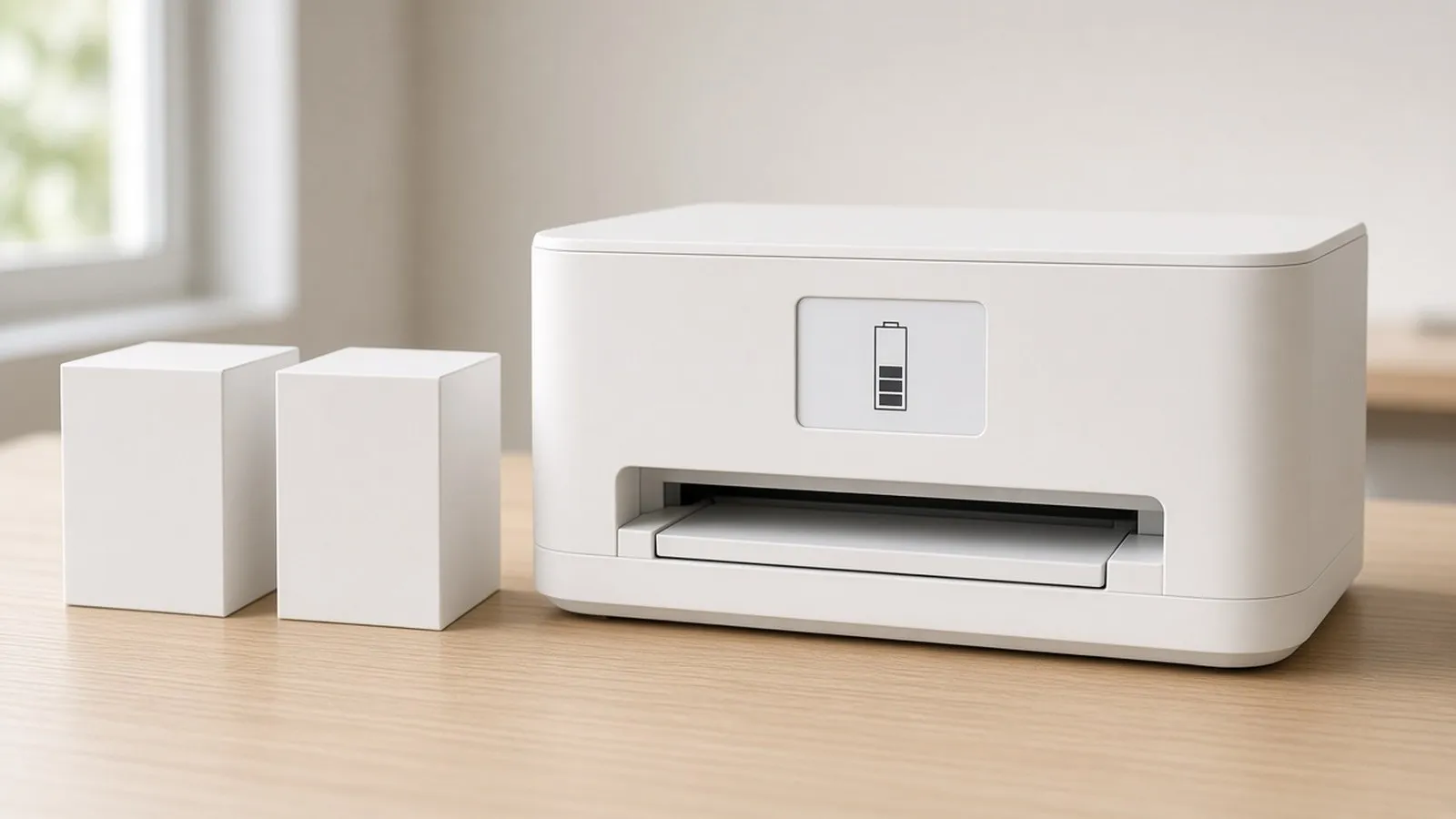
Short answer: as of November 9, 2026, the surest way to time a replenishment reminder is to trigger it from the device's own signal, such as ink level, filter life or brush wear, instead of guessing from a calendar, then confirm it's working by watching repeat purchase rate by cohort. Planning the post-purchase experience for connected devices makes the broader case for using usage signals instead of a calendar across the whole customer relationship. This guide narrows that idea to one moment, the reorder of a consumable, and covers the timing, consent and testing choices that moment brings.
What repeat purchase rate measures, and why consumables make it easier to move
Q: What is repeat purchase rate?
Repeat purchase rate is the share of your customers who bought from you more than once in a given period: take everyone who bought again in that window and divide by everyone who bought at all in that window, and the result is a percentage you can track over time.
There's no single official formula for this ratio. Different tools define the window and the buyer count a little differently, so treat repeat purchase rate as a useful internal measure, not a standardized industry benchmark. For example, with made-up round numbers: if 1,000 people bought a robot vacuum in a year and 200 of them bought a replacement brush head or filter from you again within that same year, that cohort's repeat purchase rate is 20%.
Q: Why do connected devices with consumables have an advantage here?
Connected devices with consumables have an advantage because the product itself can report when it's running low, which turns a repeat purchase from something you have to hope for into something you can anticipate and prompt at the right moment.
Most retail categories depend on the customer remembering to reorder, or on a brand's marketing calendar guessing when that memory might kick in. A connected device with a consumable skips most of that guesswork: the hardware already knows roughly how close it is to empty.
Device signal beats a calendar guess
Q: What counts as a device signal for a replenishment reminder?
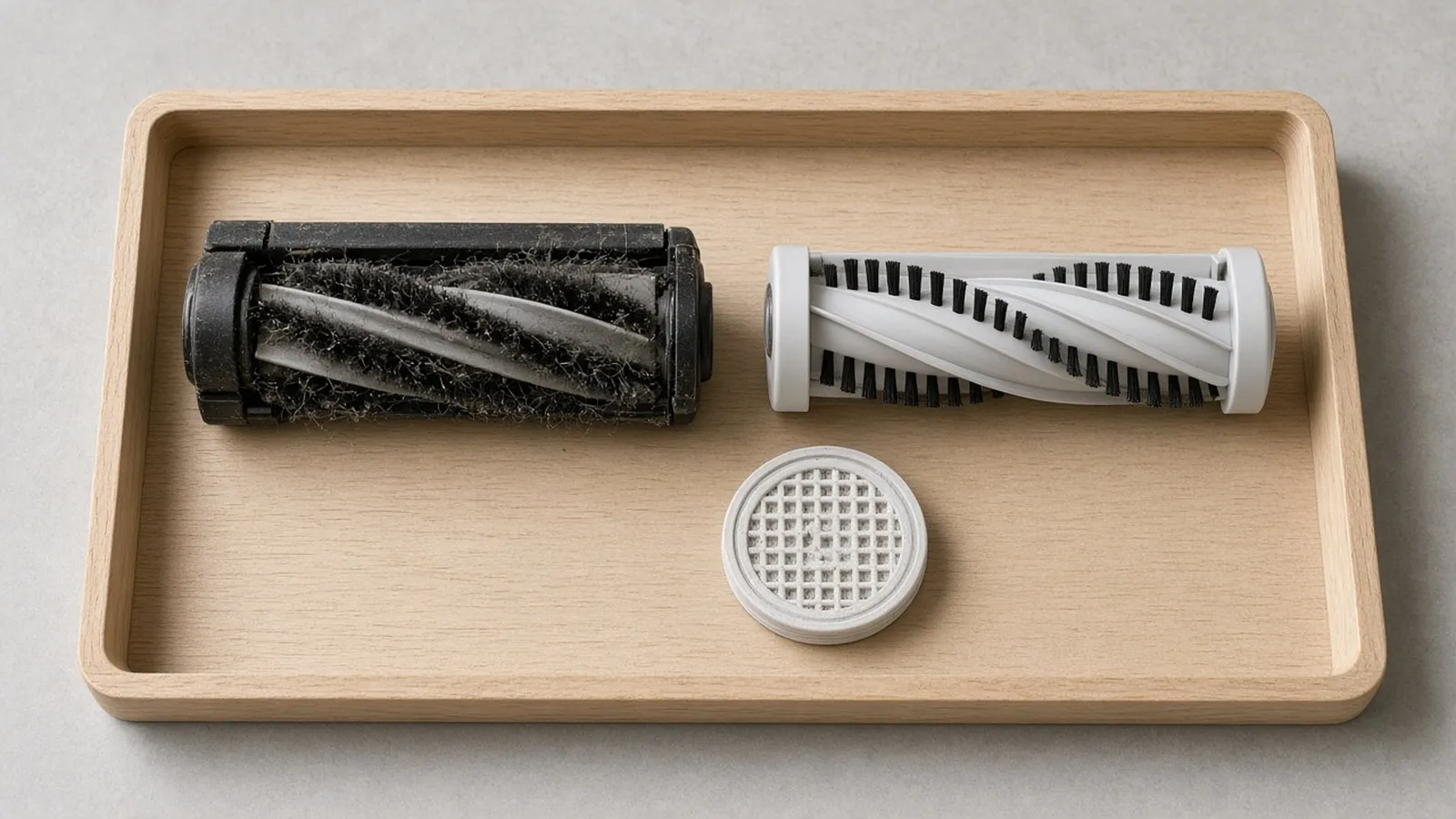
A device signal is any measurement the product or its app can report about how close a consumable is to running out, such as ink level, filter life, brush wear, hopper fill level, or battery cycles on a replaceable cell.
A calendar reminder sent to every owner on the same schedule treats a light user and a heavy user identically, so it often arrives too late for one and too early, or just irrelevant, for the other. A device signal reflects what's actually happening with that one unit instead of an average that hides how differently people use the product.
Q: What do you do when there is no reliable signal?
When a device can't measure its own consumable reliably, such as a pet food hopper where fill level is hard to sense accurately, the next best option is a calendar estimate built from that specific customer's own past order intervals, not a single average applied to everyone.
Treat that estimate as a fallback, not a permanent plan, and swap in a real signal as soon as the sensor or firmware can supply one. With made-up round numbers: a pet food brand whose hopper sensor is still in development can still nudge a customer who reorders about every 40 days around day 35, based on that customer's own order history rather than a company-wide average.
Choosing the timing window
Q: How early should a replenishment reminder go out?
A replenishment reminder should go out early enough that the owner can act before the consumable actually runs out, which in practice means testing a window a little earlier than your best estimate of zero and watching whether orders cluster right after the message or trickle in late.
Erring a bit early with a low-key tone tends to age better than erring late and leaning on urgency. A message that arrives with time to spare reads as a helpful heads-up; a late one that pushes hard can work once but wears on trust if your timing estimate keeps missing. Set the window from data where you have it and adjust it as you collect more orders, since the right window differs by product and even by device model.
Respecting consent, opt-outs and frequency caps
Q: What does the law require when a replenishment reminder goes out by email?
A replenishment reminder sent by email that promotes a specific product should be treated as commercial email, and as of November 9, 2026 commercial email generally needs a clear opt-out notice, identification as an ad unless the recipient already gave prior affirmative consent, a valid physical postal address, and opt-outs honored within 10 business days.
Those requirements come from the CAN-SPAM Act, 15 U.S.C. § 7704, and the FTC's implementing rule, 16 CFR Part 316 (both as of November 9, 2026); this is a plain-language summary, not legal advice. The FTC's own CAN-SPAM Act compliance guide for business spells out the opt-out mechanics: any opt-out mechanism must be able to process requests for at least 30 days after you send a message, you must honor an opt-out within 10 business days, and you can't charge a fee, require information beyond an email address, or make someone take any step beyond a reply email or a single web page to opt out. The same FTC guide says the message's primary purpose decides which rules apply, and this guide doesn't decide which side of that line a particular reminder falls on; have counsel confirm how your message is classified.
Separate from what the law requires, cap how many reminders you send per consumable per period on your own judgment, and act on an opt-out immediately: honoring it slowly erodes the trust a well-timed message is supposed to build.
Text message reminders carry their own, separate consent rules, so check with counsel before sending reorder prompts by SMS.
Letting the owner choose where to buy
Q: Should a replenishment reminder point to only one store?
A replenishment reminder doesn't need to point to only one store: some owners want to reorder on your site, some prefer a marketplace where they already have a saved card, and some would rather buy from a local shop, so a short list of options respects how owners already shop instead of forcing a single path.
This is a narrow, practical choice about where a link sends someone, not a decision about your overall channel strategy. D2C for consumer electronics brands covers that bigger question of direct sales versus retail.
Testing the copy, the timing and the audience
Q: What should you A/B test first?
Start by testing send timing relative to the device signal, because timing determines whether the reminder lands while the owner still has time to act, then move on to subject lines, button wording and audience splits by device model or usage pattern.
Because these messages fire off usage instead of a shared calendar date, you get a steady trickle of sends to test rather than one seasonal blast. Change one variable at a time, and let each test run long enough to count people who act on a reminder days or weeks later, not just those who click right away.
Measuring repeat purchase rate by cohort
Q: Why split repeat purchase rate by product line, purchase month or channel?
A single repeat purchase rate for your whole customer base can average away real differences, so splitting it by product line, purchase month and acquisition channel shows you where reminders are actually working and where something else, like a batch of returns or a cheaper generic refill, is pulling the number down.
Owners of one product line can behave very differently from owners of another, and first-time buyers often act differently from people already on their second or third device. Splitting the number turns one average into several you can compare directly.
A decision checklist for setting up replenishment reminders
A decision checklist for setting up replenishment reminders. Rewritten as a reference list, not copied from any single post.
| Decision | What to check | Why it matters |
|---|---|---|
| Signal source | Which device or app signal tracks this consumable, and how often does it update? | A stale or missing signal gives up the main advantage of a connected product. |
| Fallback rule | What do you do for owners or products without a reliable signal? | A rough estimate beats silence, but shouldn't become the permanent plan. |
| Timing window | How many days or units of use before empty should the first nudge go out? | Too early trains people to ignore it; too late loses the sale to someone else. |
| Store options | Does the reminder link to one store or a short list? | A single forced path can lose owners who already shop elsewhere. |
| Frequency cap | What's the maximum number of reminders per consumable per period? | Repetition without a cap reads as spam, however accurate the signal is. |
| Opt-out handling | How fast does an opt-out take effect, and does it apply across every product line? | A slow or partial opt-out undoes the trust a well-timed message built. |
| Test plan | What's being tested first: timing, subject line, button text or audience? | Testing one variable at a time is the only way to know what actually moved the number. |
| Cohort tracking | Is repeat purchase rate tracked by product line, purchase month and channel, or as one blended number? | A blended number can hide a problem, or a win, that a split number would show. |
What this means for your post-purchase app
None of this works without a way to turn a device or app signal into an actual message, respect opt-outs, and watch the result by cohort. Copilot.cx's Upsell Engine is built around that: it sends reminders like low printer ink or worn robot vacuum brush heads at the right moment, using app, device and user data, with segmentation, automations and A/B testing of send times, audiences and button text.
Repeat purchase is also the input that makes the recurring part of a hardware customer's lifetime value worth anything. Calculating LTV for connected hardware treats that recurring contribution as a single number multiplied by an expected lifetime, and a reminder program that gets consumables reordered is a direct way to move that number above zero.
Related reading: Repeat Purchase Rate: Why Replenishment Reminders Beat Guesswork · From One-Time Sales to Lifetime Value
FAQ
What is repeat purchase rate?
Repeat purchase rate is the share of your customers who bought from you more than once in a given period: take everyone who bought again in that window and divide by everyone who bought at all in that window, and the result is a percentage you can track over time.
What counts as a device signal for a replenishment reminder?
A device signal is any measurement the product or its app can report about how close a consumable is to running out, such as ink level, filter life, brush wear, hopper fill level, or battery cycles on a replaceable cell.
How early should a replenishment reminder go out?
A replenishment reminder should go out early enough that the owner can act before the consumable actually runs out, which in practice means testing a window a little earlier than your best estimate of zero and watching whether orders cluster right after the message or trickle in late.
What does the law require when a replenishment reminder goes out by email?
A replenishment reminder sent by email that promotes a specific product should be treated as commercial email, and as of November 9, 2026 commercial email generally needs a clear opt-out notice, identification as an ad unless the recipient already gave prior affirmative consent, a valid physical postal address, and opt-outs honored within 10 business days.
Should a replenishment reminder point to only one store?
A replenishment reminder doesn't need to point to only one store: some owners want to reorder on your site, some prefer a marketplace where they already have a saved card, and some would rather buy from a local shop, so a short list of options respects how owners already shop instead of forcing a single path.