
At Copilot.cx we keep running into a number that a lot of consumer electronics and smart home brands track but don't always act on: repeat purchase rate. If you sell anything with a consumable (ink, filters, brush heads, pods, pet food), it's one of the clearest signs of whether people use what they bought and whether they come back to you for more.
Repeat purchase rate is the share of customers who buy again within a given period. Here's a made-up example with round numbers. Say you sold 1,000 coffee pod machines last year, and over the next 12 months 250 of those owners bought pods from you again. That cohort's repeat purchase rate is 25%: repeat buyers divided by all the customers in the group, over whatever window fits your product.
Connected devices make this more interesting, because you often don't have to guess when to ask for that second purchase. The device already has a pretty good idea.
Device signal beats calendar guess
Classic replenishment marketing runs on a calendar guess. Say your average customer replaces ink about every two months, so you email everyone a few days before that. Averages hide a lot. Some people print constantly. Some print one holiday card a year and forget the printer exists. A calendar reminder sent to both arrives too late for the first person and feels random, maybe a little creepy, to the second.
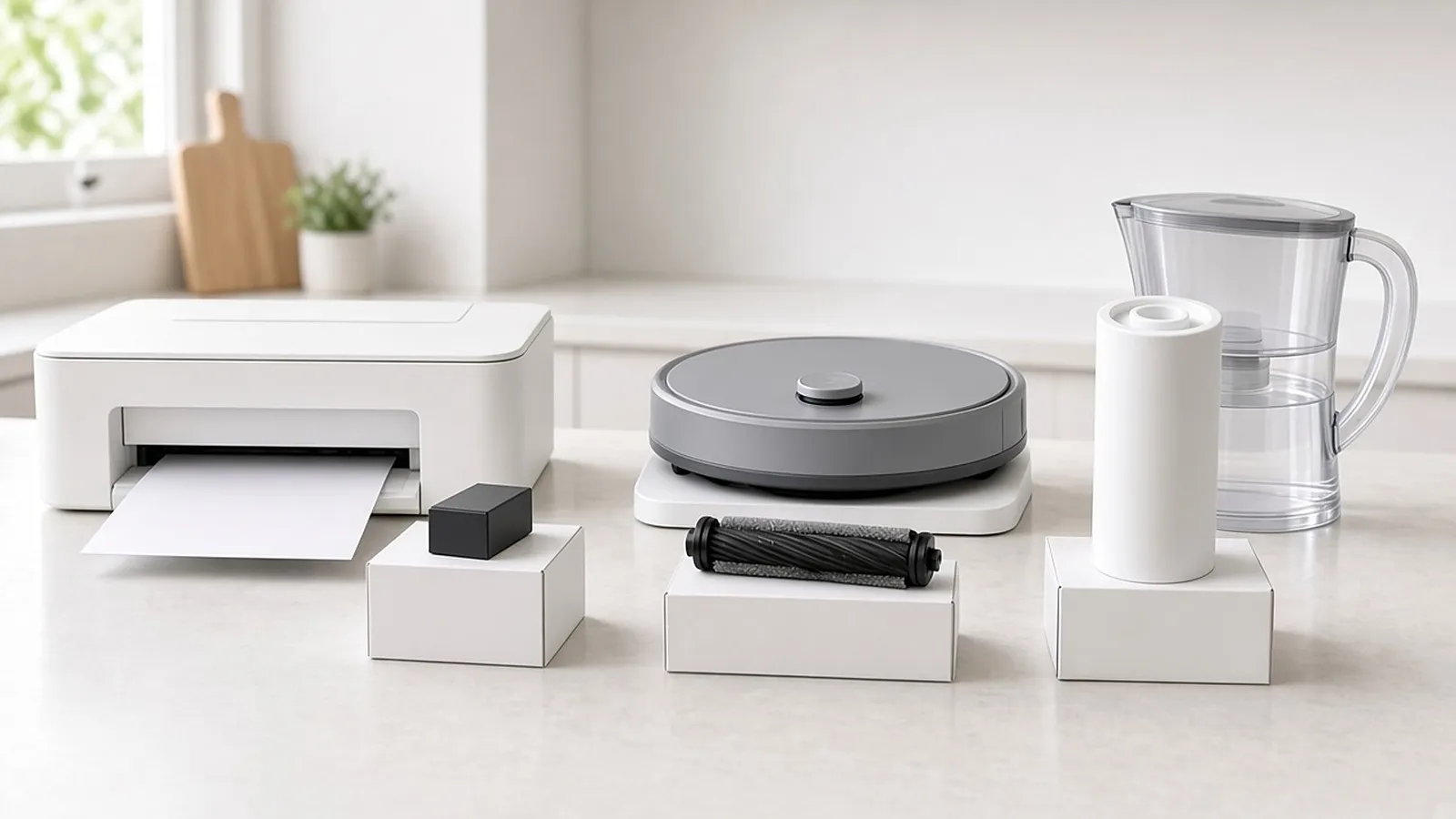
A connected printer, robot vacuum, water filter, air purifier or pet food dispenser can often report something closer to the truth: ink level, brush wear, filter life, how full the hopper is. In my experience that device signal makes a better trigger because it reflects actual use. The reminder lands closer to the moment the owner needs to act, and that's also when they're most open to acting. We made a similar case for post-purchase messages in our post-purchase experience post.
Device signals aren't perfect, though. Sensors fail, firmware doesn't always report cleanly, and some consumables are harder to measure than others. Pet food in some dispensers is a good example. A calendar estimate based on each customer's past purchase intervals makes a reasonable fallback when you don't have a real signal.
Pick the trigger, then the timing
Even with a good signal, you still have to decide when to act on it. Too early, and the reminder is noise: the owner still has plenty of ink and learns to ignore you. Too late, and they've already bought a replacement somewhere else, which does nothing for your repeat purchase rate even though the device warned you.
I'd rather send a reminder a bit early in a relaxed tone ("you're getting low, here's where to reorder when you're ready") than late with urgency. Urgency can work once. By the third time it starts wearing down trust, especially if your timing estimate was off.
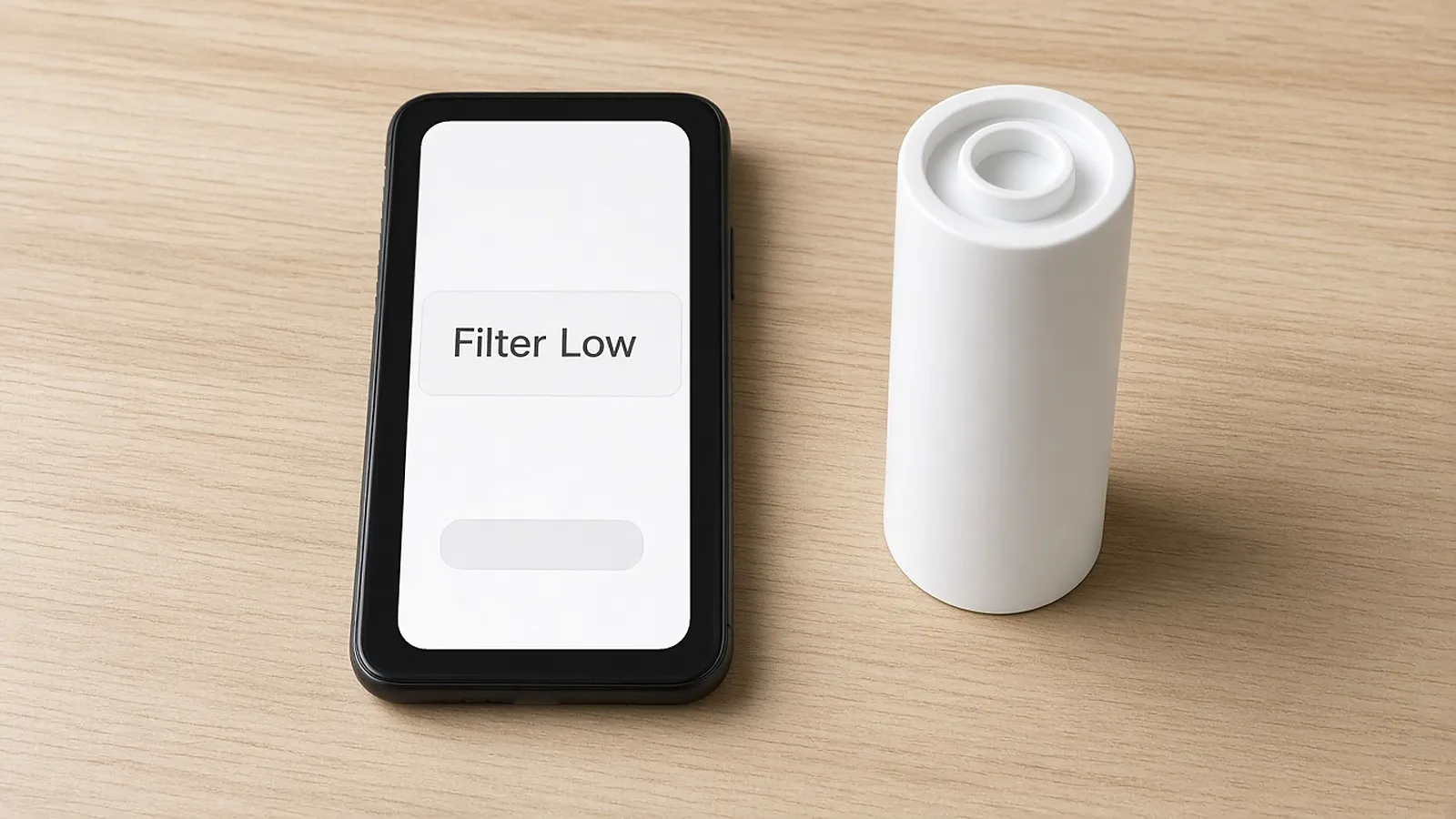
Let the owner choose where to buy, and don't nag
A replenishment reminder doesn't have to push everyone to a single store. Some owners prefer your site. Some prefer a marketplace where they already have an account. Some want the part today and will drive to a local shop.
Offering a choice of where to buy makes the reminder feel like help instead of a pitch. You know a lot about the device, but you don't own anyone's shopping habits.
Respect opt-outs right away and completely, and cap how often these messages go out, however confident you are in the signal. If someone ignores three reminders in a row, that's information too. Maybe they bought elsewhere, maybe they stopped using the device, maybe the signal is wrong. Whatever the reason, backing off usually beats a fourth message with more exclamation points.
Test the copy and the timing
Because these reminders fire on real usage instead of a seasonal calendar, you get a steady flow of sends you can test. That makes A/B testing easier. Try different send times relative to the signal, different subject lines, different button text ("Reorder now" versus "See options"), and different audiences split by device model or usage pattern. Change one thing at a time where you can, and let each test run long enough, since people don't all act on a reminder the day it arrives.
Measure repeat purchase rate by cohort
One repeat purchase rate for your whole customer base can hide a lot. Owners of your robot vacuum might behave very differently from owners of your air purifier, and first-time buyers often act differently from people on their second or third device. Break the number down by product line, purchase month and acquisition channel. Then you can see where reminders are helping and where something else is going on, like a wave of returns or owners switching to a cheaper generic refill.
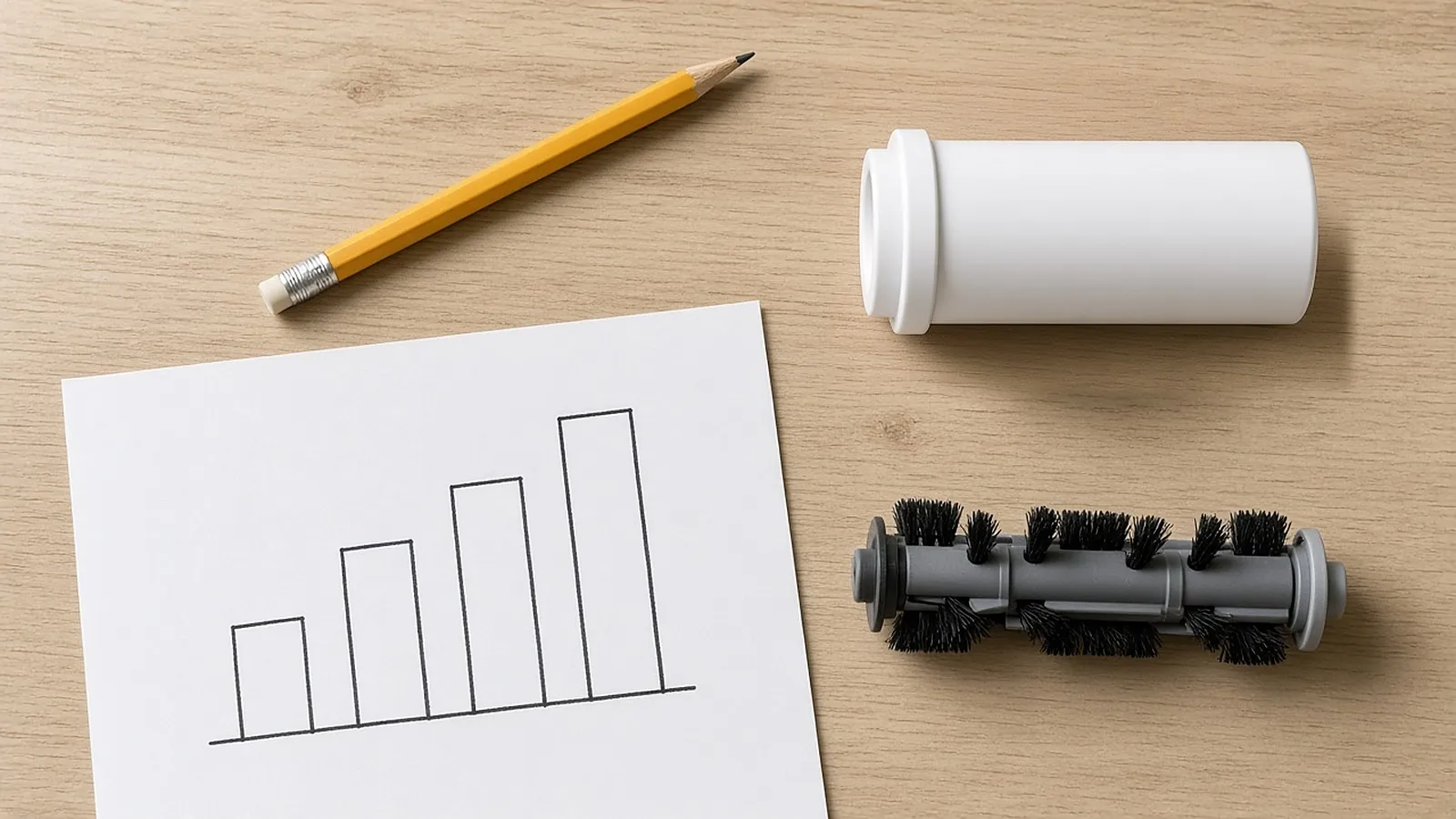
Repeat purchase rate also feeds a bigger number, customer lifetime value. We've already written about how camera brands move from one-time sales to lifetime value, and replenishment reminders are one of the most direct ways to make that shift, since each repeat purchase keeps the relationship going.
A practical checklist
If you're setting up replenishment reminders for a product with consumables, this is roughly the order I'd go in:
- Find the real trigger. Work out which device signal you have (ink level, filter life, brush wear, hopper level) and how reliable it is before you build anything on it.
- Build a calendar fallback. Where there's no signal, use each customer's past purchase intervals as a rough backup.
- Choose the timing window. Send early enough that the owner can act before running out, and test how early is too early.
- Offer a choice of where to buy. Don't assume everyone wants the same store.
- Set a frequency cap. Decide the maximum reminders per consumable per period, and stick to it.
- Make opt-out instant. No reminder is worth ignoring a clear "stop."
- A/B test copy, timing and audience. Change one thing at a time and let tests run long enough to mean something.
- Track repeat purchase rate by cohort. Split it by product line, purchase month and channel.
- Watch for silence. If someone ignores several reminders, pause instead of escalating.
The takeaway
Repeat purchase rate is a simple number, repeat buyers over total customers in a period, and it tells you whether the relationship lasted past the first sale. Connected devices with consumables give you a head start. You can often know when someone needs more ink or a new filter instead of guessing, and send a reminder that feels timely. The parts that matter most are the easy ones to skip when you're busy: honoring opt-outs, capping frequency, letting people choose where to buy and measuring by cohort.
If you want help turning device and usage data into well-timed replenishment messages, see how the Copilot.cx Upsell Engine does it. It sends reminders like low printer ink or worn robot vacuum brush heads at the right moment using app, device and user data, with segmentation, automations and A/B testing of send times, audiences and button text.