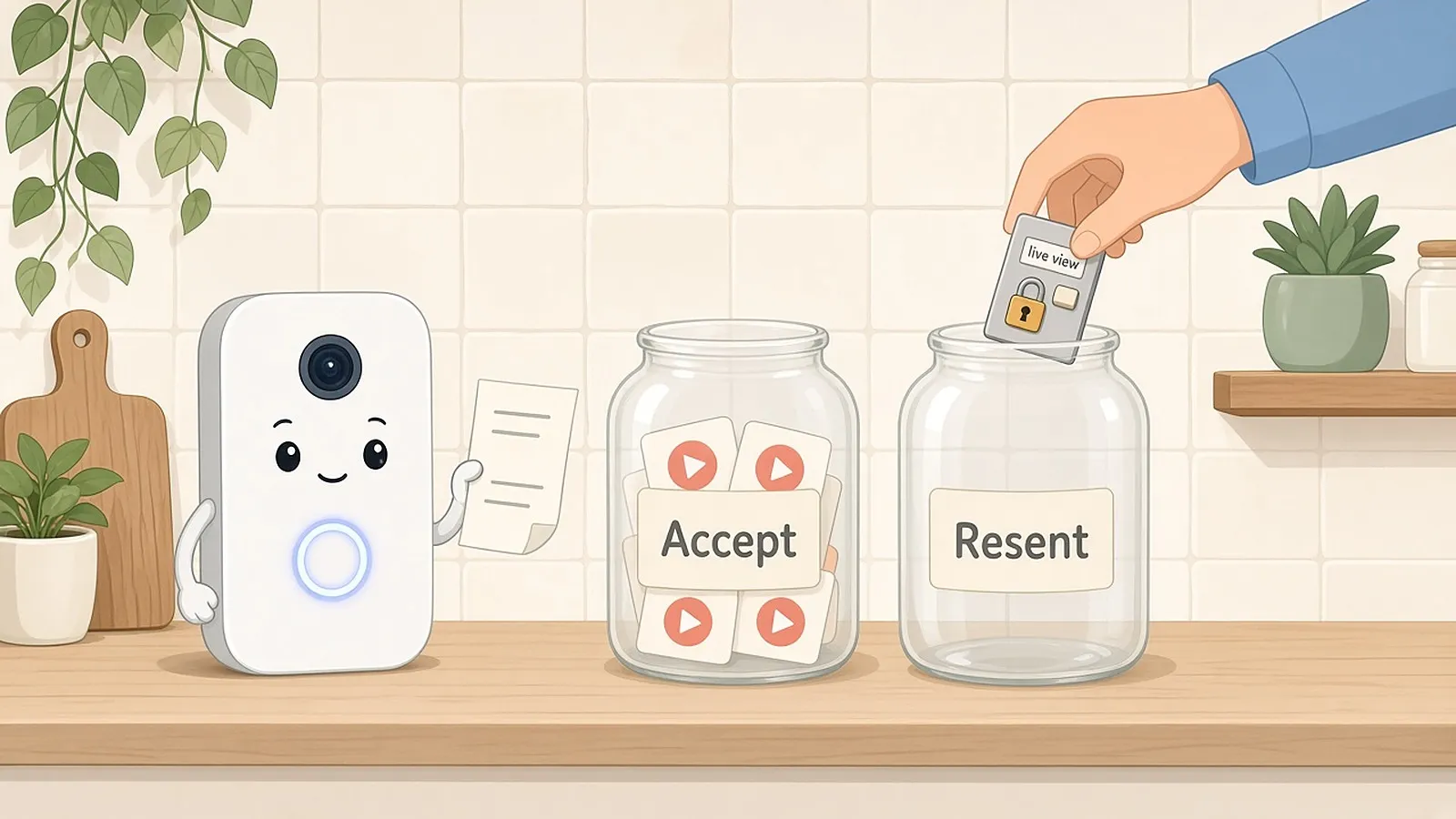

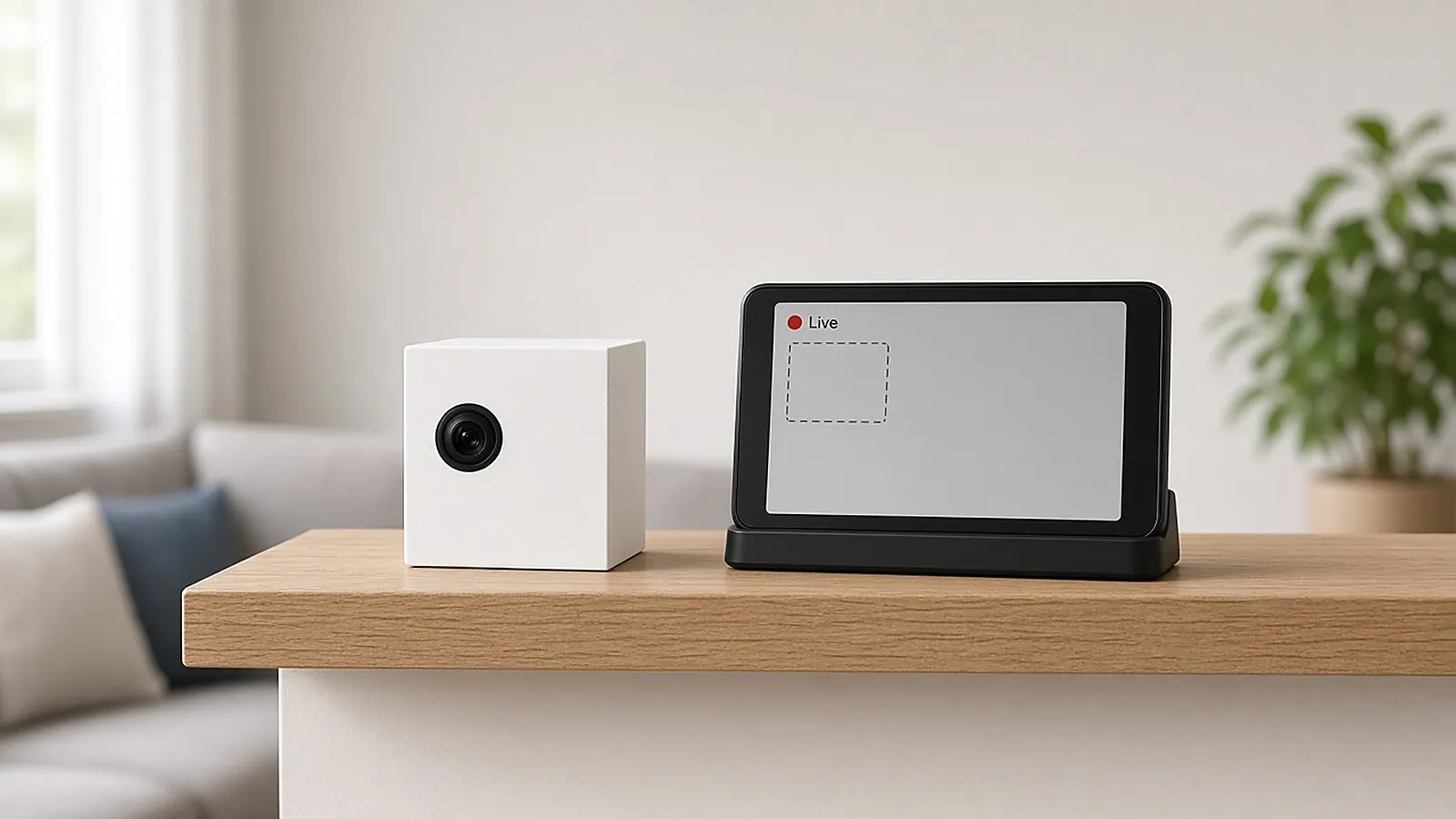
For years, smart home cameras lived in their own little empires. Great live view in one app. A shrug in another. Custom APIs everywhere. On Nov. 20, 2025, the Connectivity Standards Alliance released Matter 1.5 and put cameras into the standard for the first time. That is the news hook for this Copilot.cx blog post, and it is still the story that product teams are planning around in late 2026.
Matter 1.6, announced June 17, 2026, was a focused feature release, not a new device-category wave. Cameras remain a Matter 1.5 story, with an important maintenance follow-up in Matter 1.5.1 on March 31, 2026. If you make cameras, video doorbells, or the apps around them, here is the practical read for manufacturers, marketers, and product teams.
What Matter camera support means for 2026 roadmaps
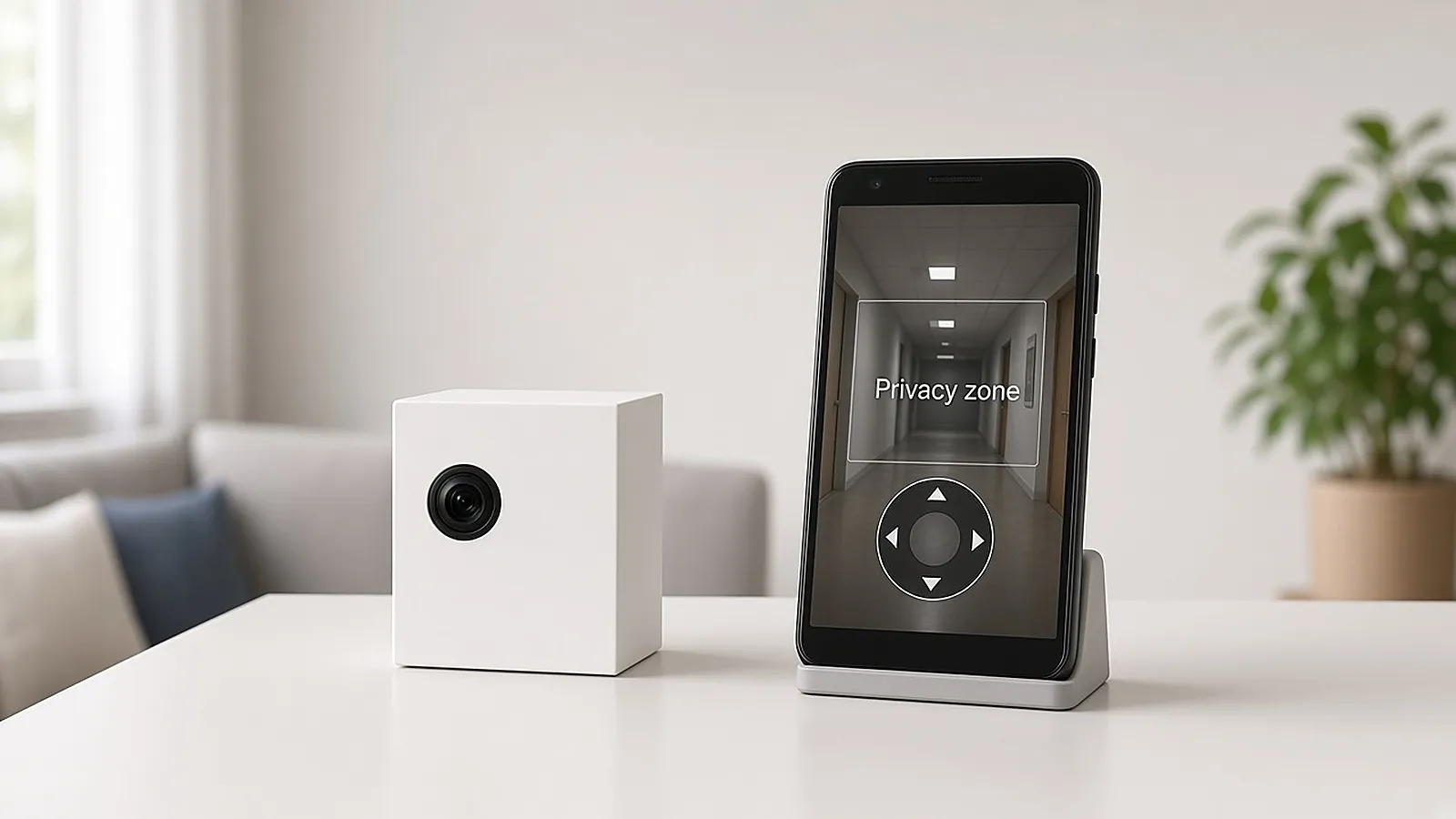
Matter camera support means you can build and certify a camera that works with Matter-enabled ecosystems without inventing a one-off integration for each partner. Live video and audio use WebRTC. Two-way communication is in scope. Local and remote access ride on standard STUN and TURN. The specification also covers multi-stream setups, pan-tilt-zoom, detection and privacy zones, and flexible storage, continuous or event-based, to local or cloud destinations.
Full TCP support in Matter 1.5 helps with large data, which is exactly the kind of traffic cameras create. Spec, SDK, and test tools are available to Alliance Members, so certification planning is a real calendar item, not a slide titled "someday."
None of that means your own app suddenly becomes optional. The Alliance's framing is clear: Matter-based interoperability does not block makers from innovating through their own apps and services. Think of Matter as the shared living room. Your brand experience is still the furniture people actually sit on.
Certify once vs custom integrations
Before Matter cameras, multi-ecosystem reach often meant a pile of partner SDKs, custom APIs, and a QA matrix that looked like a subway map drawn by someone who hates you. Matter does not erase ecosystem differences overnight. It does give you a standard path to certify against, instead of negotiating a new handshake for every dashboard that wants your feed.
For roadmaps, the useful question is not "Matter or our app?" It is "Matter for reach, our app for differentiation." Certify so your camera can show up where owners already live. Keep your own services for the things Matter will never fully own for you: brand setup, alert personality, subscription packaging, support tone, and the boring reliability work that prevents one-star reviews.
Ecosystem support still trails the specification calendar. Some platforms expose only a subset of Matter 1.5 device types while they catch up. Soften any launch promise that assumes every major hub will light up every 1.5 camera feature on day one. Plan certification against the version you need, then verify each target ecosystem's current Matter camera support before you print it on the box.
Capabilities to plan for (Matter 1.5)
If I were sitting with a camera product team this week, I would put these Matter 1.5 capabilities on the whiteboard before the marketing slogans:
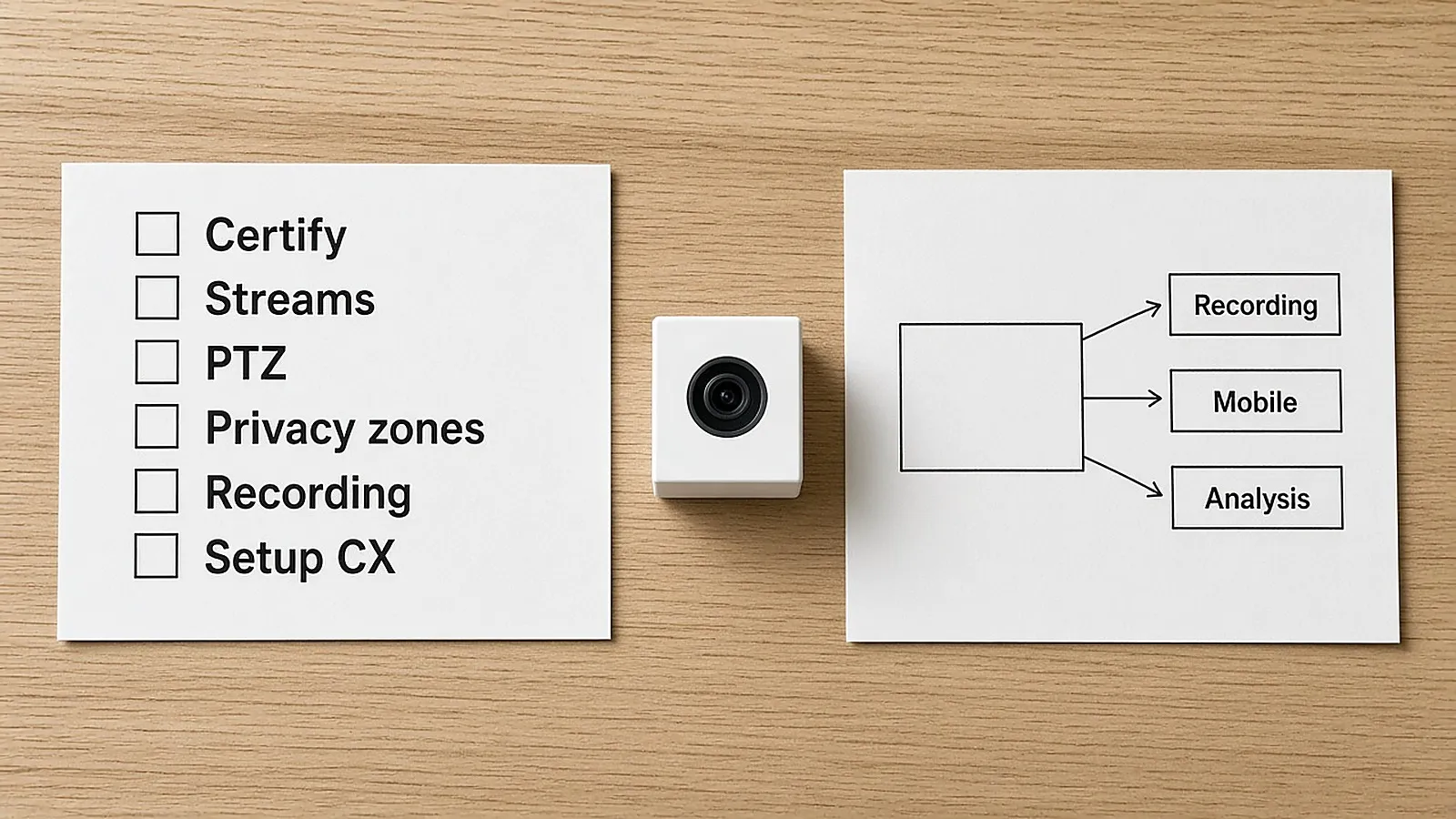
- Live video and audio with WebRTC. Two-way talk is part of the story, not a stretch goal slide.
- Local and remote access via STUN and TURN. Design for both in-home and away-from-home viewing without inventing a proprietary tunnel as the only path.
- Multi-stream configurations. One camera, more than one consumer of the feed.
- Pan-tilt-zoom controls. If your hardware moves, plan how Matter clients will drive it consistently.
- Detection and privacy zones. Owners care about this more than your roadmap deck does. Trust is a feature.
- Recording destinations. Continuous or event-based, local or cloud. Be honest about what works without a paid plan, and what the plan adds.
Bandwidth is not a footnote. Cameras are Wi-Fi hungry. Multi-stream and remote viewing will surface weak mesh edges and crowded 2.4 GHz neighborhoods. Test the ugly home networks, not only the lab AP.
What Matter 1.5.1 improved for implementers
Matter 1.5.1 (March 31, 2026) is the incremental release that makes camera and doorbell products less painful to ship well. It is not a new category. It is the "please make the first release actually behave" update, and camera teams should treat it that way.
Highlights that matter for implementers:
- Multi-stream video and audio in one structured session. High-res for recording, lower-res for mobile viewing, a stream for analysis or AI, and multi-lens setups, without spinning up a separate independent stream for every consumer.
- HEIC snapshots. Better quality at smaller sizes than a JPEG-only world.
- HLS and DASH upload with CMAF Interface-2 for recorded video, which lines up better with how modern cloud and media pipelines already work.
- PTZ improvements, including better support when the camera's home position sits at the edge of its rotation range (a very real installation case that used to feel like a bug report waiting to happen).
- Recording configuration validation fixes, so invalid setups get caught earlier.
- Doorbell quality fixes, plus chime controllers that can request a specific chime sound, and clearer intercom signaling with integrated chime support.
If your firmware branch is still pinned to early 1.5 camera behavior, budget time for 1.5.1. Shipping "Matter camera" on the box while missing the maintenance fixes is how you win a support ticket Olympics.
A practical checklist for Matter cameras
Use this as a go / wait filter, not as inspiration wallpaper:
- Prioritize Matter cameras when multi-ecosystem presence is a sales requirement. Retail buyers and platform partners often ask. If your camera will never leave a single closed app, Matter can wait. If you sell into mixed homes, it probably cannot.
- Budget Wi-Fi and bandwidth like first-class features. Stream counts, bitrates, and away-from-home paths belong in PM acceptance criteria.
- Keep your own-app differentiation. Matter gets you into the shared living room. Your alerts, history UX, and brand voice still decide whether owners keep the product.
- Treat privacy zones and owner trust as launch requirements. Explain what is local, what is cloud, and who can see a live view, in plain language.
- Remember setup and customer experience (CX) after interoperability. A camera that pairs into three ecosystems and then fails Wi-Fi onboarding still comes back in the box. Interoperability is not a substitute for onboarding.
- Verify each ecosystem's Matter camera depth before you claim it. Spec support and shipping ecosystem support are cousins, not twins.
- Align certification with 1.5.1 if you are building now. Doorbells, chimes, and multi-stream behavior improved for a reason.
We already saw how visible Matter support became when Apple put a home dashboard screen on the counter. Compatible cameras show up. Missing ones get noticed. I wrote about that angle in Apple HomeView: What Smart Home Makers Should Do Next.
The takeaway
Matter cameras in 2026 are no longer a rumor slide. As of the Alliance's Matter 1.5 release on Nov. 20, 2025, cameras are a first-class device category, with Matter 1.5.1 on March 31, 2026 tightening streaming, media formats, PTZ, doorbells, and related device types. Matter 1.6 did not replace that story. It left cameras where they belong: on your 1.5 / 1.5.1 implementation plan.
Certify for multi-ecosystem reach. Keep innovating in your own app. Plan for WebRTC streaming, multi-stream reality, privacy zones, and honest recording options. Then sweat setup, because interoperability never rescued a camera that never finished pairing.
If you want a brand app that can sit on top of mixed device platforms while you sort Matter and partner roadmaps, that is the job our STAR platform was built for: one branded experience for the devices you sell, even when the underlying IoT stacks differ.