
A few years ago I bought a smart thermostat, a pair of smart plugs and a video doorbell, each from a different brand. Today only one of those brands still has a place in my house, and it isn't the one with the nicest box. It's the one whose app still works and whose devices got updates long after I'd stopped thinking about them. Its support person once told me plainly that a fix was coming in two weeks, and it showed up right on schedule.
Software companies get a fresh chance to win you over every month. A hardware brand mostly gets one sale, then a long, quiet stretch where the product either keeps earning trust or slowly loses it. Loyalty is what you have at the end of that stretch, when the owner is ready to buy again.
We covered the first weeks and months after setup in our post-purchase experience post. This one is about the longer game: the customer retention strategies that decide whether someone's next device comes from you.
Loyalty for hardware brands works differently
Most of the loyalty advice I come across is written for coffee shops, airlines and online stores. It assumes frequent purchases, so it leans on points, tiers and discounts. That logic struggles when your customer buys a robot vacuum once every few years.
For a connected device brand, I'd define loyalty with two questions. Does the owner keep using the product? And when they need another device, do they pick you without shopping around? The first question is about retention, and the second is about loyalty. They feed each other, and both depend far more on the product experience than on any reward scheme.
Keep the product working for years
I've seen brands skip this often enough that it's worth writing down. In my experience, the biggest loyalty lever for a connected product is that it still works well in year three. That means firmware updates that keep coming, an app that keeps up with new phone operating systems, and cloud services that don't quietly degrade.
Owners notice when a device gets better after they buy it. A new feature in a firmware update, a faster app, a fix for the thing that annoyed them, all of it tells them the brand is still paying attention. Owners also notice when a brand goes silent, and a device that starts feeling abandoned rarely wins that owner's trust back.
Connectivity choices made long before launch play a part here too. The radio and chipset you pick shape how reliable the device feels at home and how easily you can keep updating it. If you're still at that stage, our guides on Bluetooth LE vs Wi-Fi vs Thread for device onboarding and ESP32 vs other IoT chipsets go deeper. So does our guide on whether your product should support Matter, since many owners now expect a new device to work with what they already have.
Be honest when things go wrong
Every connected product has bad days. A server outage, a firmware update that breaks a feature, a sensor batch that drifts. I've found that owners forgive problems far more readily than they forgive being kept in the dark.
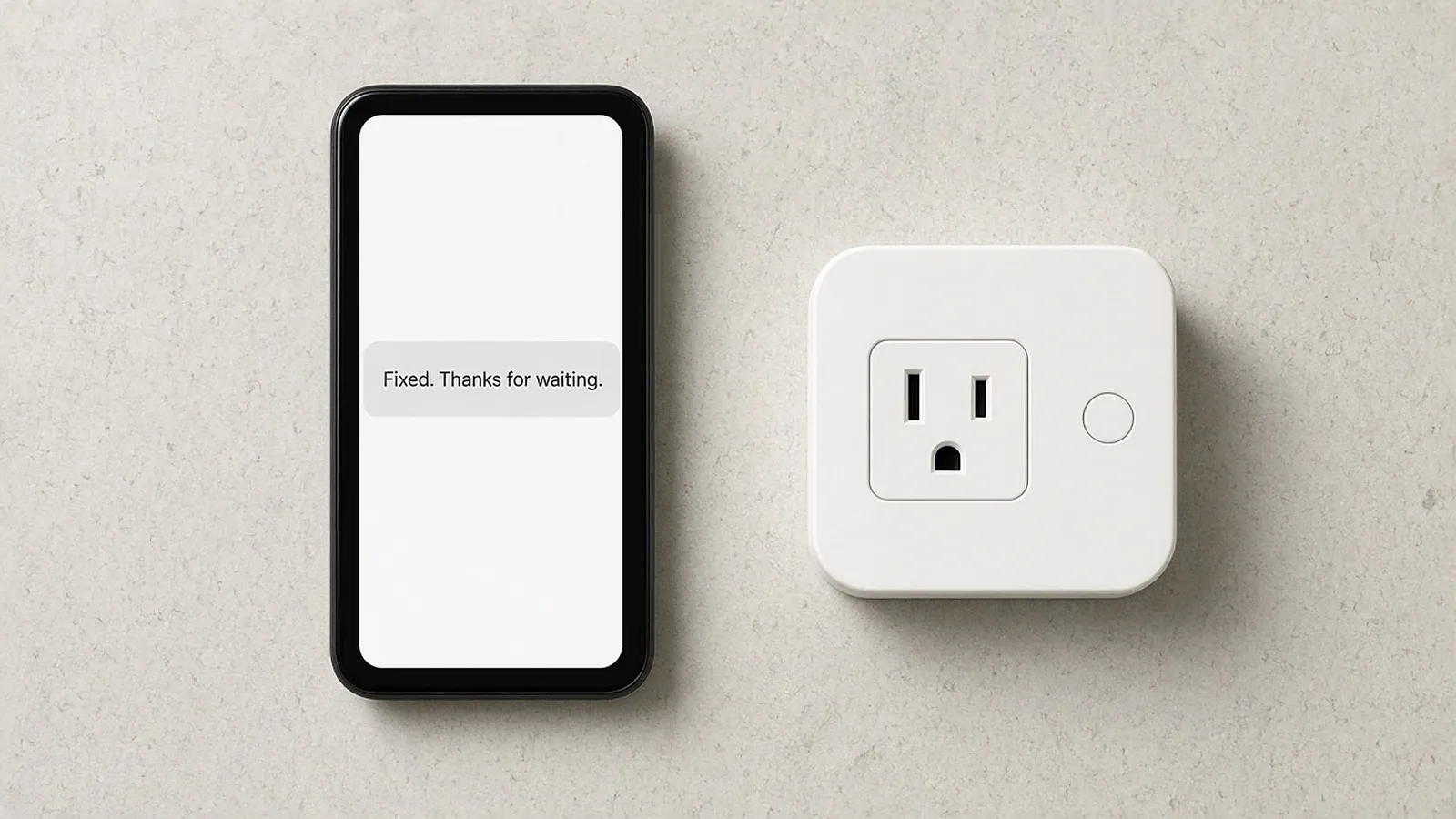
When something breaks, say what happened in plain words, say what you're doing about it and give a rough timeline you can actually keep. Then follow up when it's fixed. If the fix will take a while, say that too.
Treat owners like owners
A buyer who registered a device has told you a lot: what they own, when they bought it and often how they use it. Use that information to make the owner feel personally recognized when you reach out.
- Recognize long-time owners. A note when a device has been running reliably for a long time, or early access to a new feature, costs little and shows them you remember who they are.
- Honor the household. Connected devices are often shared. Make it easy to invite a partner, a roommate or the person who looks after the kids, so the product fits how the home really works.
- Respect their attention. Loyalty erodes fast when every message is a sales pitch. Keep most messages useful, and cap the promotional ones.
Make the second purchase easy
For a hardware brand, the clearest sign of loyalty is a second purchase, when someone who already owns your camera buys your doorbell too, or adds a third smart plug.
Help that happen naturally. If your devices work better together, show owners how, at a moment when it's relevant to them. Someone who just set up a motion sensor might like to know it can trigger the lights they already own. Keep the setup of a second device short, since nobody wants to repeat a 20-minute pairing ordeal. And price accessories and add-ons fairly, because a sense of being squeezed is one of the quickest ways to send someone to a competitor.
Plan for the end of a device's life
Every device eventually gets replaced or stops getting support. In my experience, how you handle that moment shapes the next purchase more than most brands expect. Tell owners well in advance when support for a model will end, explain what that means for them in practice and, if it makes sense, offer a fair path to a newer model.
Customer retention strategies: a short checklist
- Commit to a realistic update schedule for firmware and the app, and stick to it.
- Write down how you'll communicate during outages and broken updates before you need it.
- Use registration and usage data to recognize long-time owners in ways that help them.
- Make it simple to add household members to a device.
- Show owners how your devices work together when it's relevant to them.
- Keep second-device setup short, and test it like you tested the first.
- Cap promotional messages so useful ones still get read.
- Give owners plenty of notice before support for a model ends, with a fair upgrade path.
- Track how many owners buy a second device, and how long it takes them.
If you want help with the messages that make up that long stretch, take a look at the Copilot.cx CX Engine. It helps you optimize the experience based on real-time insights, with timely messages of support and celebration. Build segments based on usage, demographics, location and more, and use the Copilot.cx Canvas to create personalized campaigns and support messages that speak your customers' language.